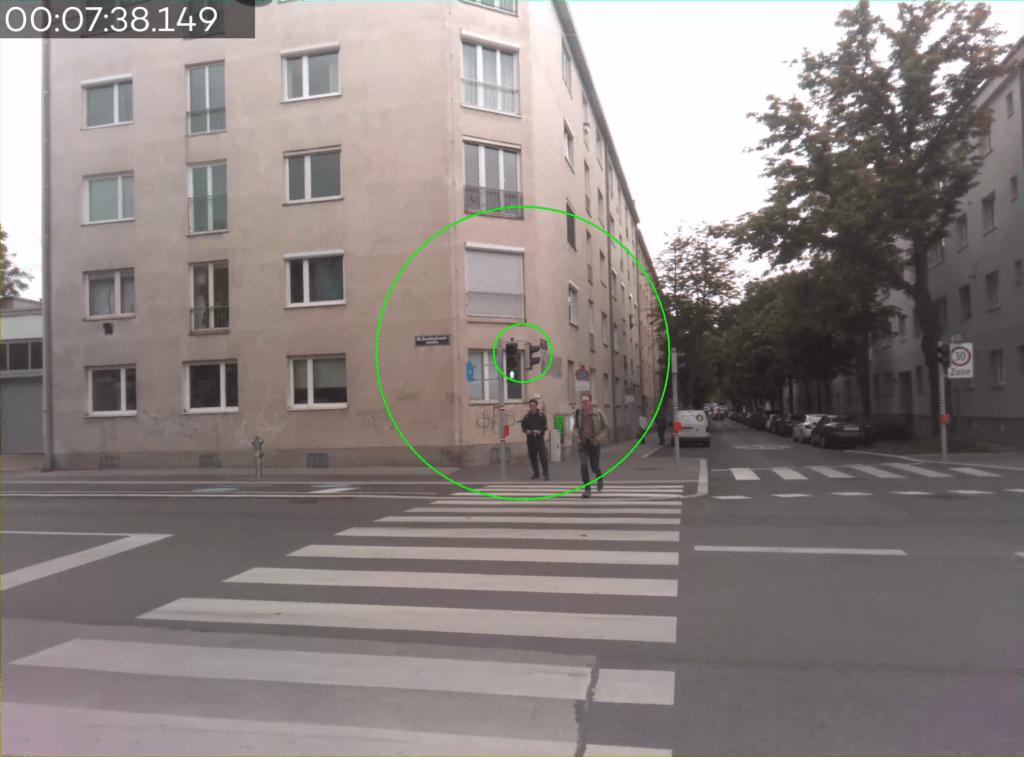
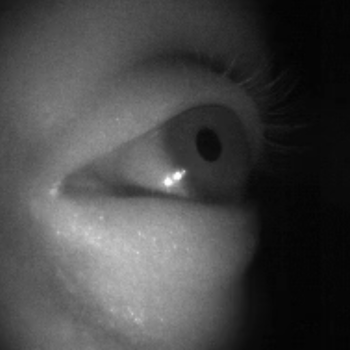
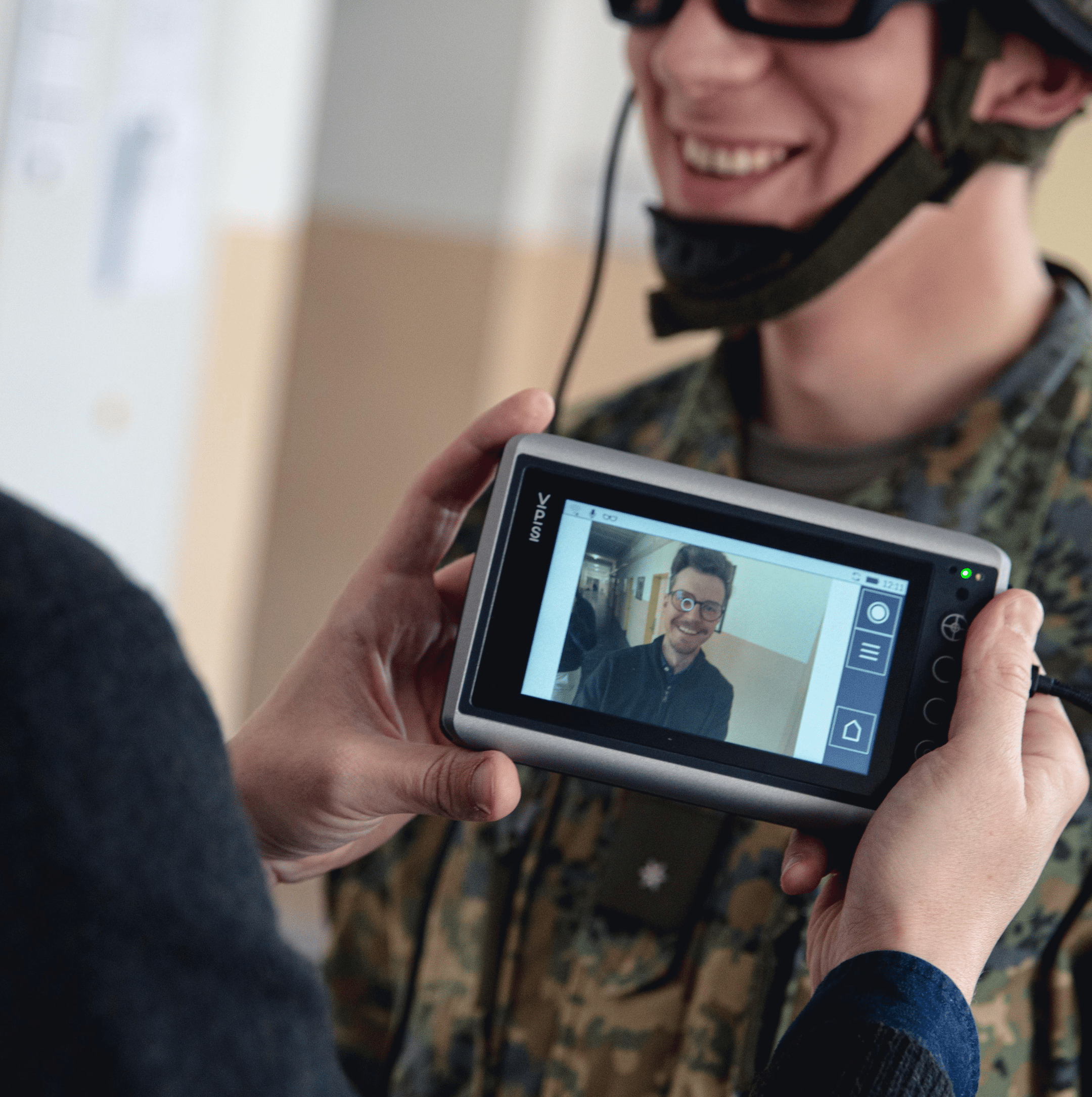
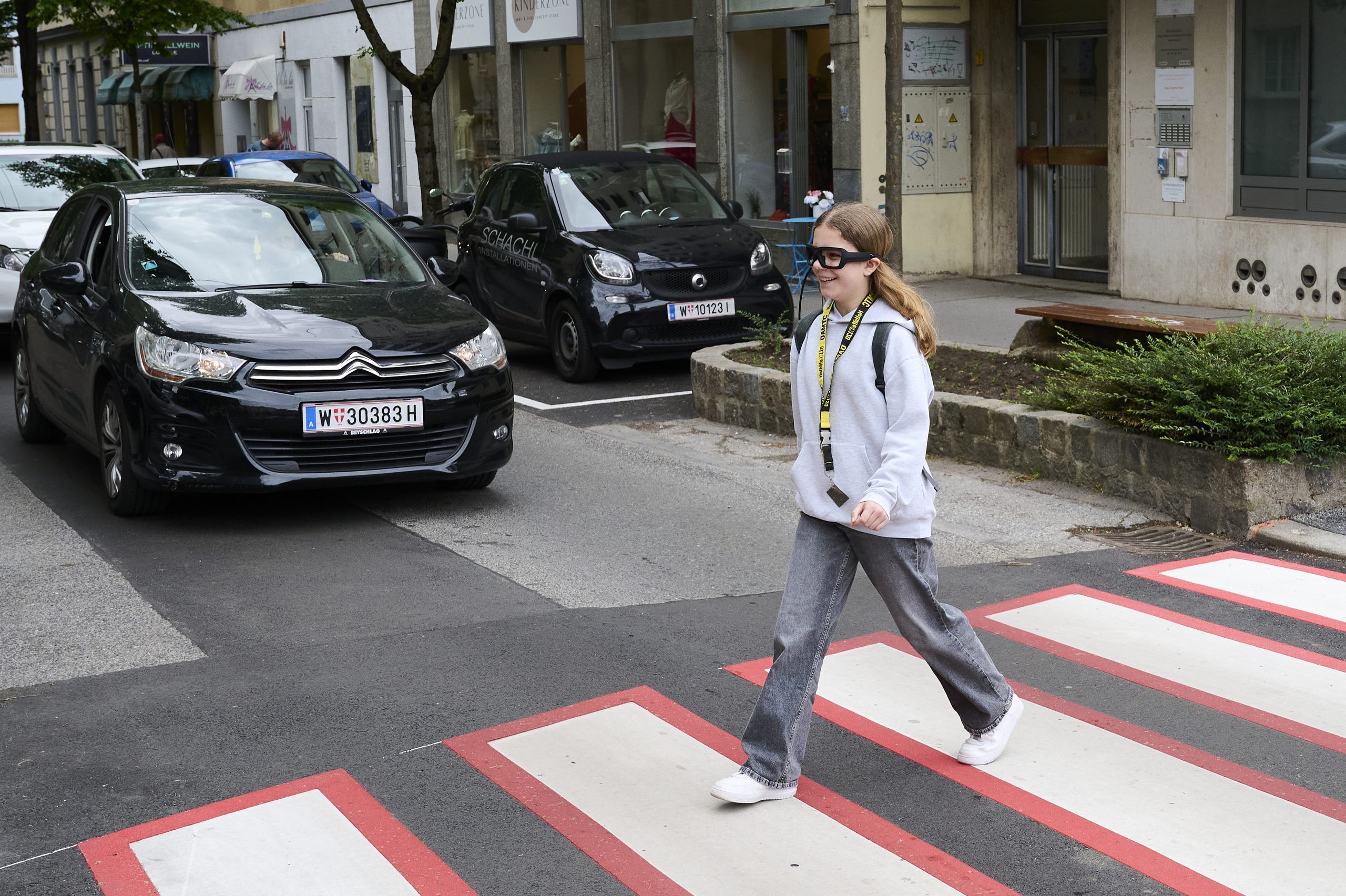
“Children are particularly vulnerable in road traffic because their ability to recognize dangers is not yet fully developed,” explains Renate Stiegler, study leader at Viewpointsystem. She emphasizes the need for a deeper awareness of how children experience road traffic. “Our glasses offer unique insights because they record not only eye movements and the targets on which they are being focused on, but also reveal what is truly perceived and what is not.”
The topic remains highly relevant in 2026 too: as the new school year began, ÖAMTC once again issued an urgent reminder about the specific risks children face in road traffic.
Lack of safety checks on the school route
The study shows differences in how children of various ages approach street crossings. Children aged six to seven, for example, rarely check both directions before crossing the street, they rely entirely on traffic lights. The moment the light turns green, they step onto the road without checking for cars that might still be moving.
Older children, on the other hand, are generally more aware of their surroundings. However, they tend to also rely solely on the traffic light and often fail to thoroughly check both directions before stepping off the curb.
Distractions and Irrelevant Gaze Focus
While understanding how to cross the road is one challenge, staying focused in a distracting environment is another. Children’s attention can be easily pulled away from the main concern by the bustle of the streets. Their gaze tends to wander when crossing the road, and they focus too intensely on irrelevant details. Such distractions can slow their reaction time and make it harder to assess potential hazards, such as approaching cars or sudden changes in traffic flow.
Standing too far away from crossings and poor visibility due to obstacles
The way children position themselves at crossings also presents a challenge. Many stand too far back from the curb, making it difficult for them to properly asses traffic and for the drivers to see them. This can lead to dangerous situations.
Traffic visibility is sometimes heavily impacted by obstacles like parked cars, bushes, garbage bins, and signs which make it harder for both sides to react quickly. Younger children in particular often have difficulties seeing traffic and being seen by the drivers due to their height.
Hazard Zones: Garage Exits and Bike Lanes
The youngest test participants pay little attention to garage exits, often giving just a brief glance. Even the 11- to 12-year-olds walk frequently right past them, with their eyes fixed on the road ahead. When faced with crosswalks that pass over bike lanes, all children hesitate to cross, unsure of their priority over cyclists.
Practice makes perfect
Younger children have a very unsteady gaze and are not yet able to assess situations, distances and speeds accurately. Therefore, educating children about road safety needs to start earlier and go beyond simple instructions like “follow the traffic lights.” They need to be taught to always check both directions and to stay focused on their surroundings.
The ability to navigate traffic safely is shaped by experience and guidance. Parents, teachers and caregivers can help by practicing these skills with them, ensuring they develop better awareness and safer habits.
Further information on the study is available here. Austria’s road safety board (KFV) offers over 500 official school route maps at schulwegplan.at as a practical complement for parents. Readers interested in how eye tracking reveals gaze behavior behind the wheel can also explore our case study “Driving Behavior with Eye Tracking”, which applies the same methodology to accident prevention in road traffic.