What is MANUFACTOR?
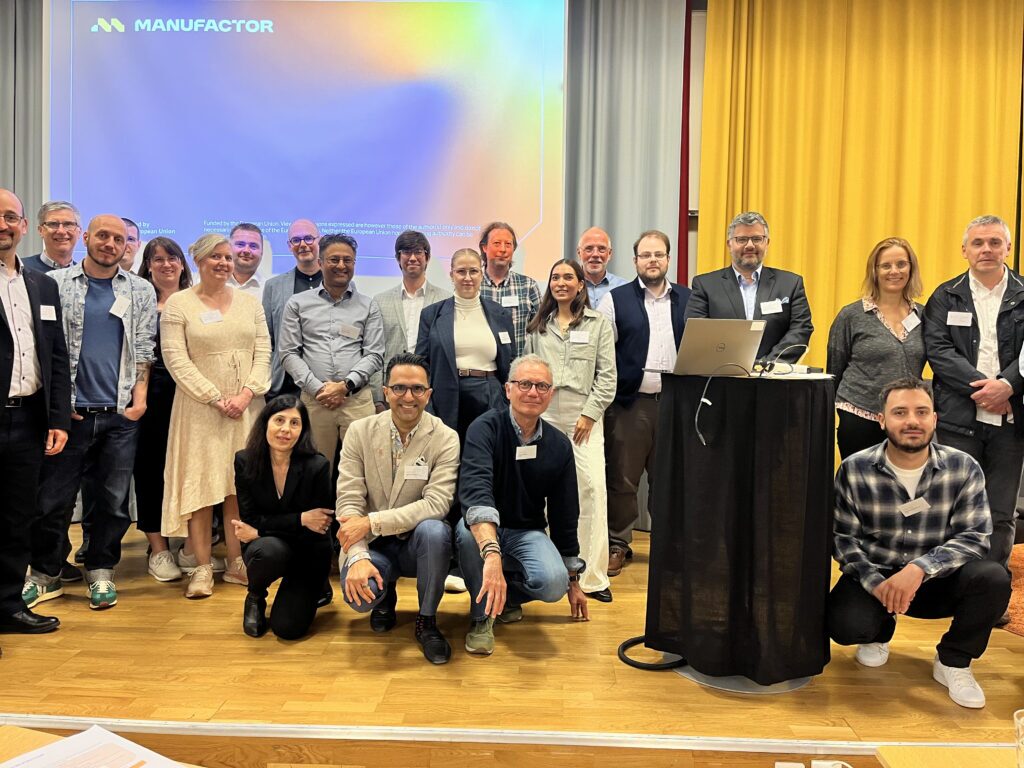
MANUFACTOR is a three-year EU research and innovation project (June 2026 – May 2029), coordinated by the University of Skövde in Sweden. Its focus: human augmentation in industrial manufacturing – using AI, wearable sensors, and real-time data to make factory work safer, smarter and more ergonomic.
The project runs across two dedicated learning factories first, before moving into three industry pilots with Volkswagen, Hitachi Energy, and FILL – three companies representing very different manufacturing environments, from automotive assembly in Portugal to energy infrastructure components in Sweden to metallurgic production in Austria. That diversity is deliberate. It means the technology will be tested against real-world conditions, not only in controlled lab settings.
Three technologies at the core
MANUFACTOR is built around three complementary systems:
OMNI-SENSE Suite – a multimodal sensing stack that combines eye-tracking smart glasses with wearable biosensors, tactile and portable inspection tools, and 3D shopfloor cameras. Together, they give a real-time picture of operator posture, fatigue, stress, their surroundings and task progress.
AI Agent Suite – a conversational AI assistant grounded in each company’s own knowledge base. Think of it as an expert colleague who has read every manual, observed every experienced worker, and is available at the point of need – on the floor, in the moment.
Human Digital Twins – live models of each operator’s physical and cognitive state. The goal: anticipate fatigue, predict overload, and adapt recommendations before problems occur – not after.
These three systems don’t operate in isolation. They form a continuous loop: sensors feed data, AI contextualizes it, and the Digital Twin translates it into actionable guidance for the operator.
Viewpointsystem’s role: capturing what the eye sees
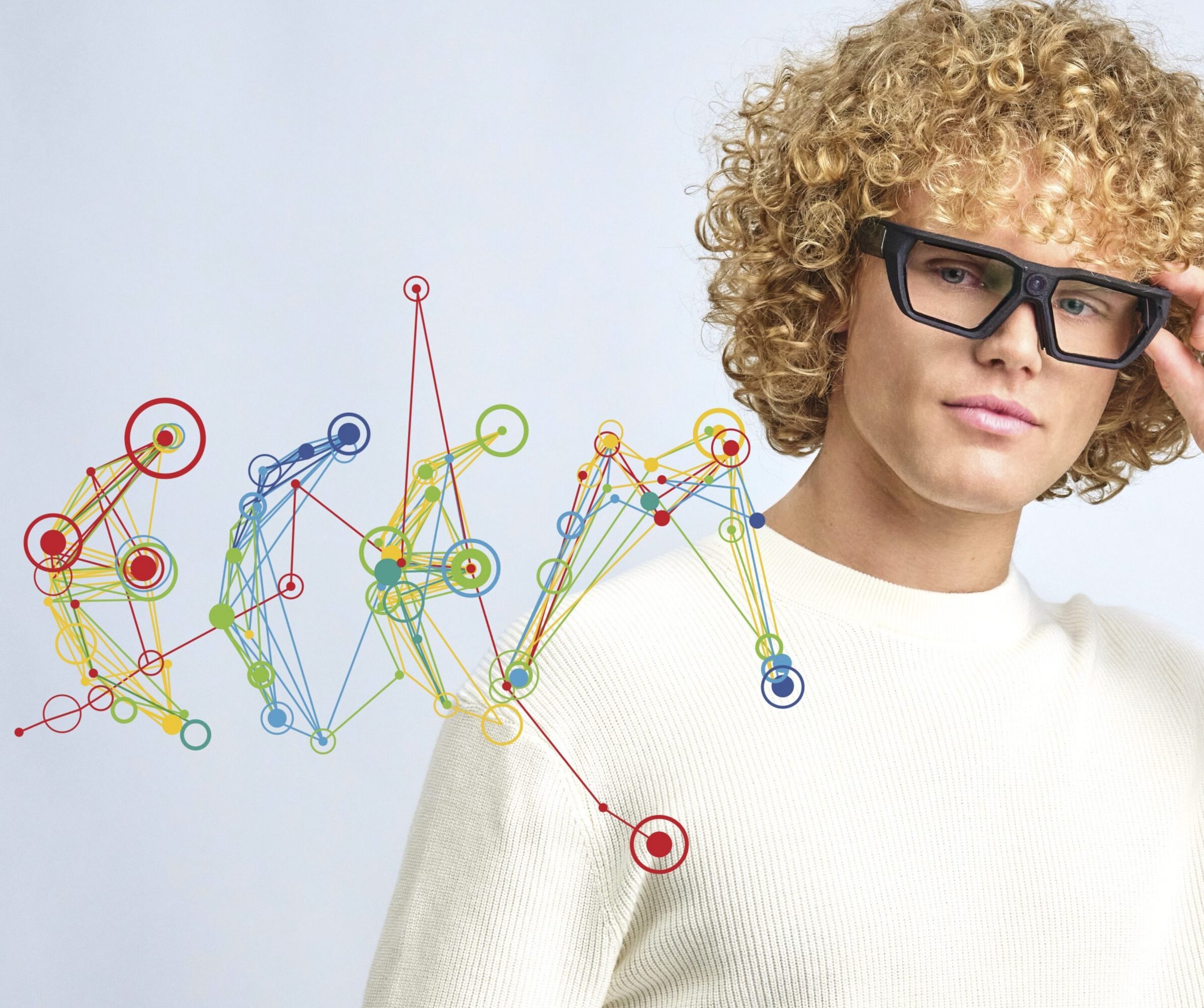
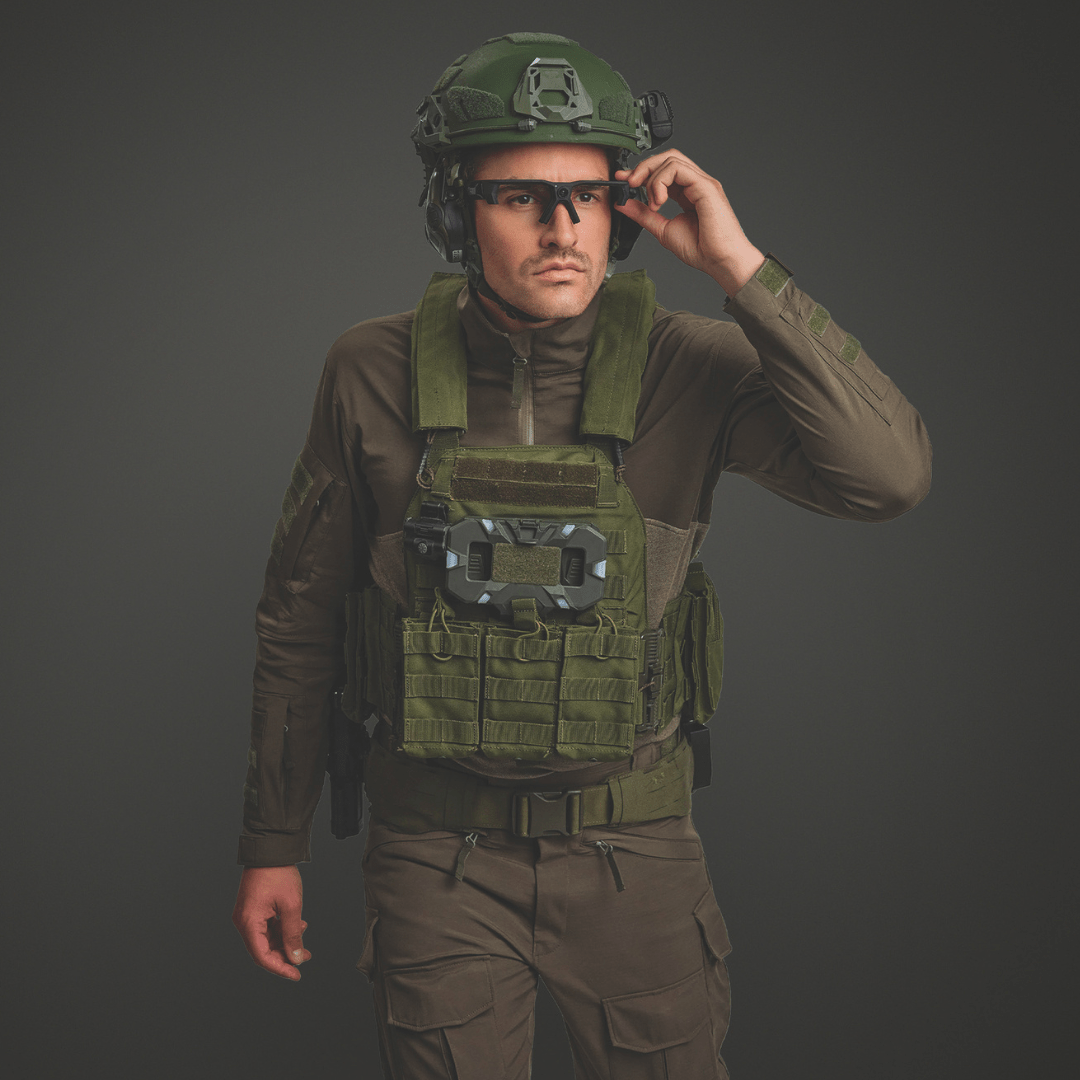
Our contribution is the VPS Next eye-tracking smart glasses, which form a core part of the OMNI-SENSE suite. In practical terms: the glasses capture where operators look, what they focus on, how their visual attention shifts and what their cognitive load is during complex tasks – in real time, without interrupting the work.
That data feeds directly into AI Agent’s knowledge graph and into the Human Digital Twin models. It’s not just about recording what happens. It’s about building a system that understands the difference between a confident operator executing a routine task and one who is uncertain, overloaded, or working outside their usual environment.
Beyond our core eye tracking contribution, we are also developing new hardware features to deliver contextual information directly to operators and integrating solutions from our consortium partners to extend the support layer further.
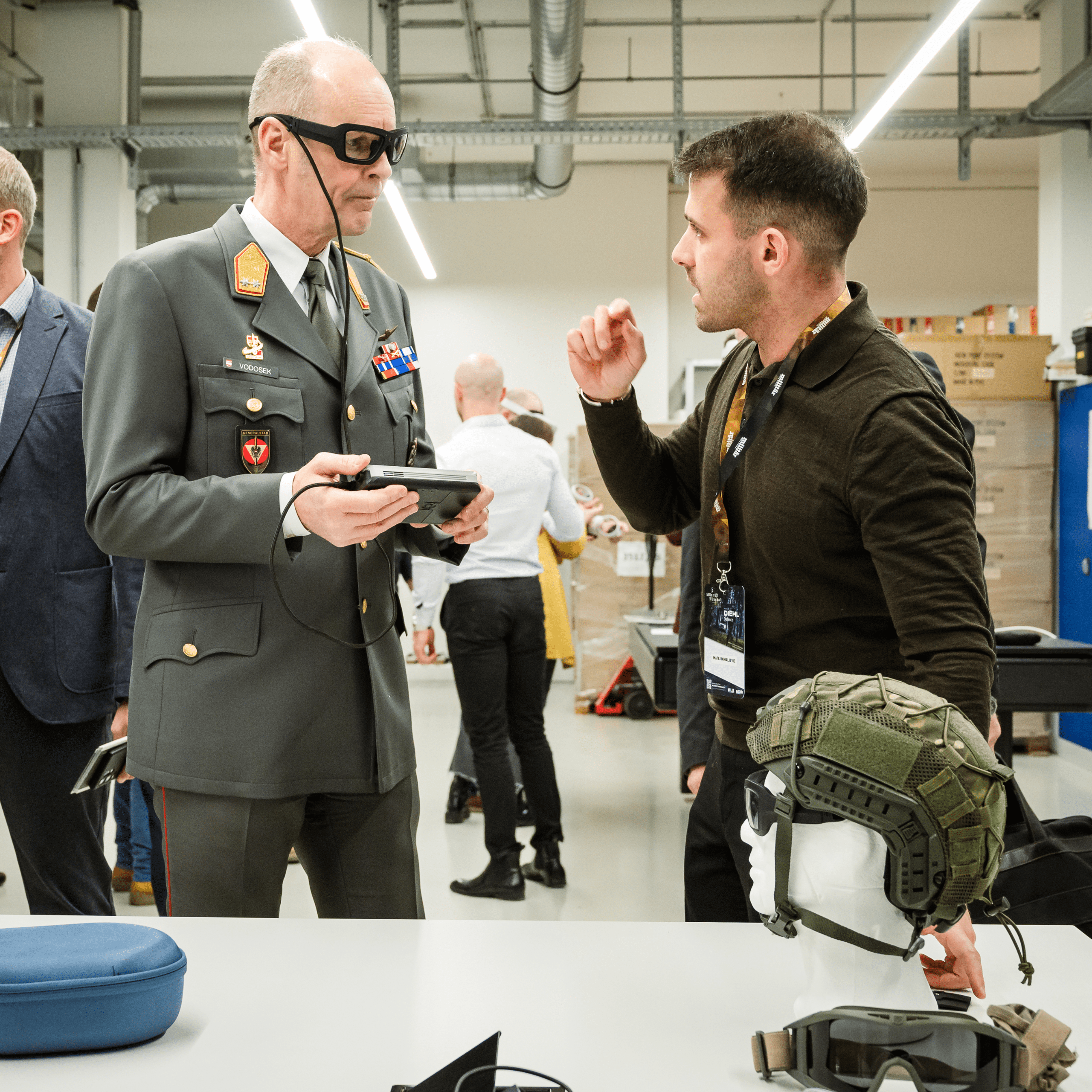
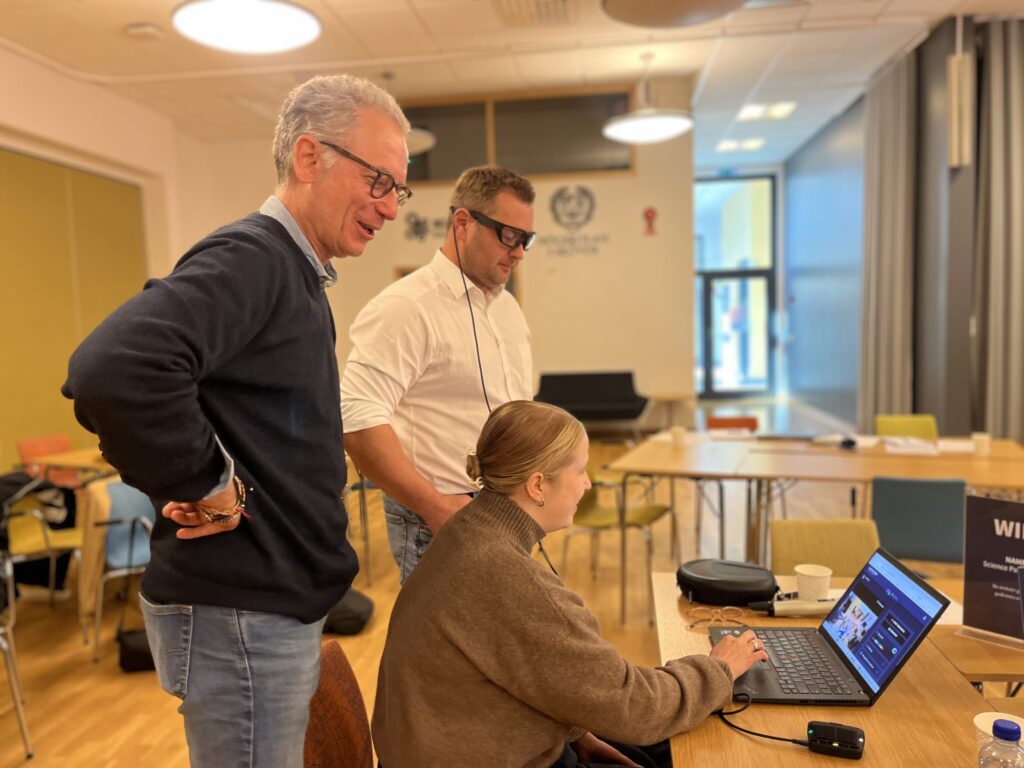
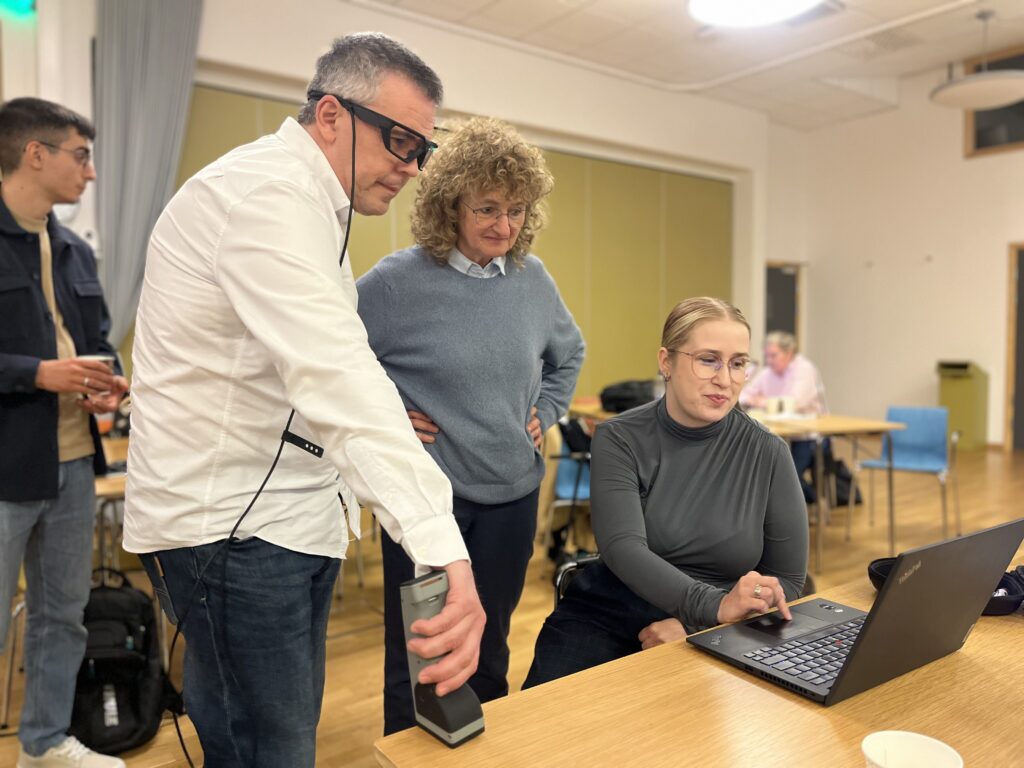
At the kickoff in Sweden, Katarzyna ran the first live demo for the full consortium. The response exceeded expectations – every partner wanted to try the glasses. “What surprised me wasn’t just the interest in the glasses themselves,” she said. “It was how quickly everyone started thinking about what becomes possible when you combine them with the rest of the system.”
The part that gets overlooked: the workers themselves
Technology projects in manufacturing often focus on what the system can do. MANUFACTOR is focused on who will use it – and what they think about it.
From day one, the project includes structured work groups that involve factory floor workers and their representatives. These groups don’t just test the technology after it’s built. They shape how it’s designed, what it measures, how it communicates, and what boundaries it respects. Workers can flag concerns, propose changes, and define the conditions under which they’re comfortable participating.
This matters because wearable technology in a workplace context carries real questions: Who sees the data? Can someone say no? Does this help me, or does it measure me?
MANUFACTOR’s approach is to answer those questions together with the people affected, not for them. That’s not just good ethics – it’s good design. Technology that workers trust and want to use is technology that actually works.
What’s next
For Viewpointsystem, MANUFACTOR represents something we’ve been working toward for a long time: the chance to deploy eye-tracking technology in sustained, real-world industrial environments – alongside partners who are equally committed to getting it right.
Over the next three years, the consortium will move through development, testing, and full pilot deployment. We’ll be sharing updates as the project progresses.
In the meantime, you can learn more about the project on MANUFACTORS LinkedIn Page.