News from
the Future
BLOG

ECEM 2026: Four perspectives on wearable eye tracking
At the 23rd European Conference on Eye Movements (ECEM) in Ulm, Germany, researchers from various disciplines came together to discuss their newest studies conducted with eye tracking technology. In his…
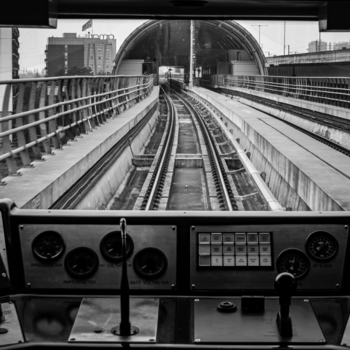
The Rail Industry’s Skills Gap Isn’t Just About Hiring Fast Enough
In safety-critical technical roles, the real constraint isn’t how quickly a position gets filled; it’s how quickly the person filling it becomes genuinely competent, not just certified. The Numbers Behind…
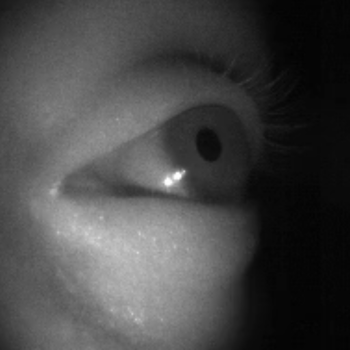
Real-Time Classification of the Vestibulo-Ocular Reflex in Naturalistic Conditions
Measuring it accurately has traditionally required a lab, though, with the head fixed in place and the eyes tracking a controlled target. A new method presented by Viewpointsystem researchers changes…
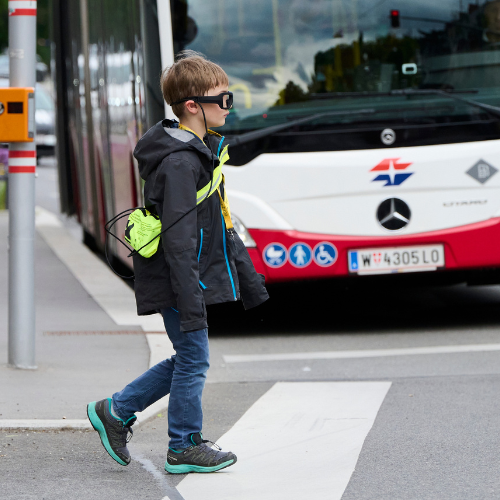
UNSEEN RISKS: HOW EYE TRACKING SHEDS LIGHT ON SCHOOL ROUTE DANGERS
Every day, thousands of children make their way to school, often navigating busy streets and intersections. But how well do they really understand the risks? Last year, nearly 500 children in Austria were injured in traffic accidents on their way to school. To identify and understand the challenges, the Austrian Automobile, Motorcycle, and Touring Club (ÖAMTC) conducted a study using our smart glasses with eye tracking technology. The research provides insights into how younger children (6-7 years old) and older children (11-12 years old) perceive and react to potential traffic hazards, ultimately aiming to improve traffic safety measures.

New publication: Neuromorphic Eye Tracking for Low-Latency Pupil Detection (NimbleAI project)
Our collaborative research with Dr. Oliver Rhodes and his team at the University of Manchester (UK), conducted as part of the NimbleAI project, has been published in the IEEE Conference…
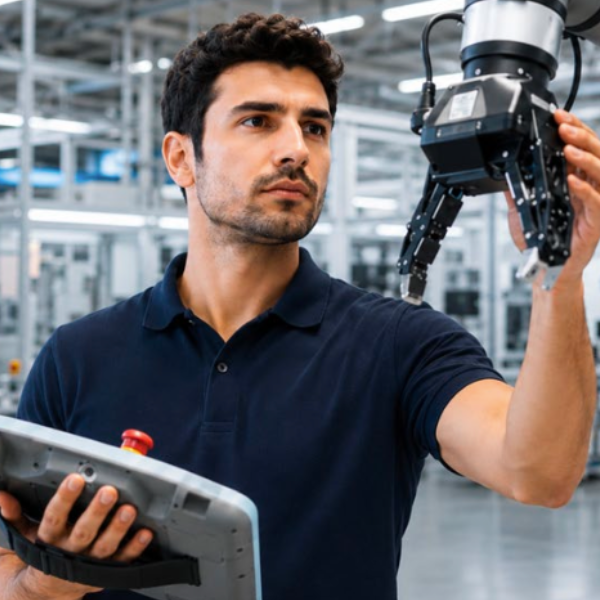
The Attention Gap in Modern Industry
Modern industrial environments are filled with data. Production systems generate detailed metrics. Sensors monitor temperature, pressure and vibration. Control rooms display performance indicators in real time. Yet there remains one…
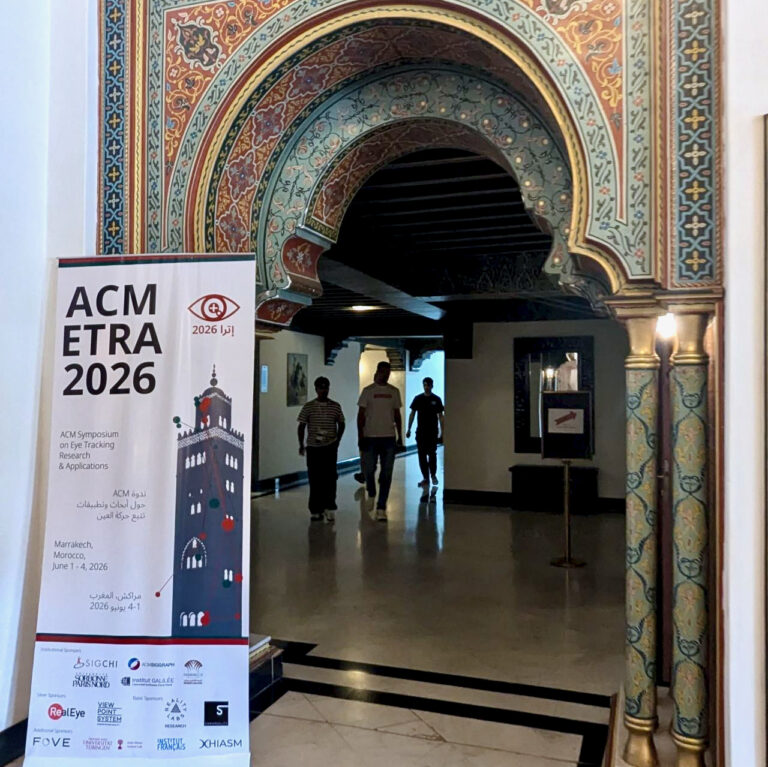
From Neuromorphic Sensing to Gaze-Guided AI: Key Insights from ETRA 2026
Beyond the official program, some of the most interesting discussions happened in hallways, over coffee, and during the warm Marrakech evenings. ETRA 2026 offered not only a snapshot of current research, but…

Dark Mode: Improved Video Quality in Low-Light Environments
Why Low Light Can Break Eye Tracking Analysis The front camera of eye tracking glasses records video footage for subsequent or live analysis. Under low-light conditions, this footage frequently lacks sufficient contrast: the…
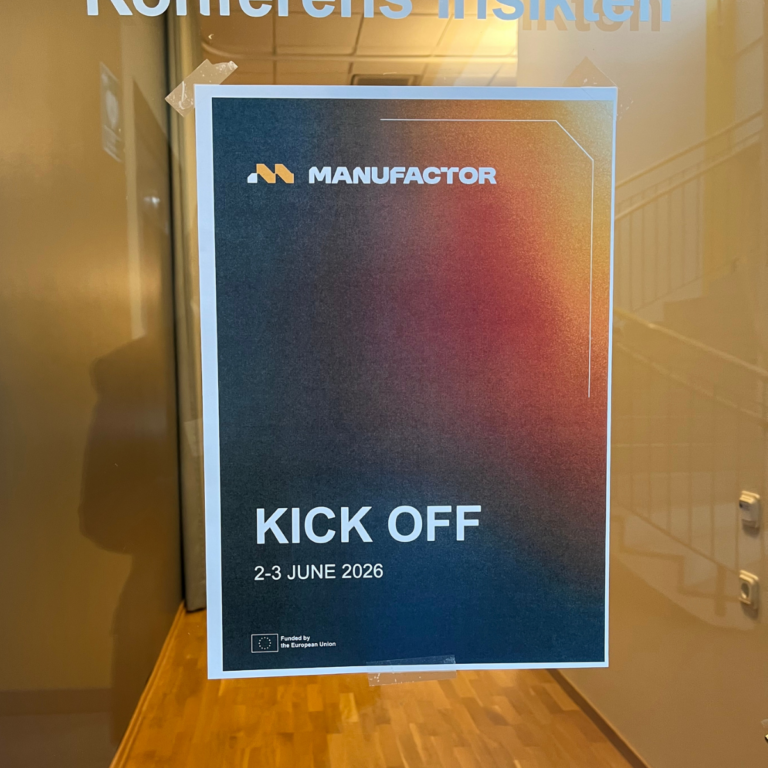
MANUFACTOR: Why We Joined an EU Consortium to Reimagine Manufacturing
What is MANUFACTOR? MANUFACTOR is a three-year EU research and innovation project (June 2026 – May 2029), coordinated by the University of Skövde in Sweden. Its focus: human augmentation in industrial manufacturing – using AI, wearable…
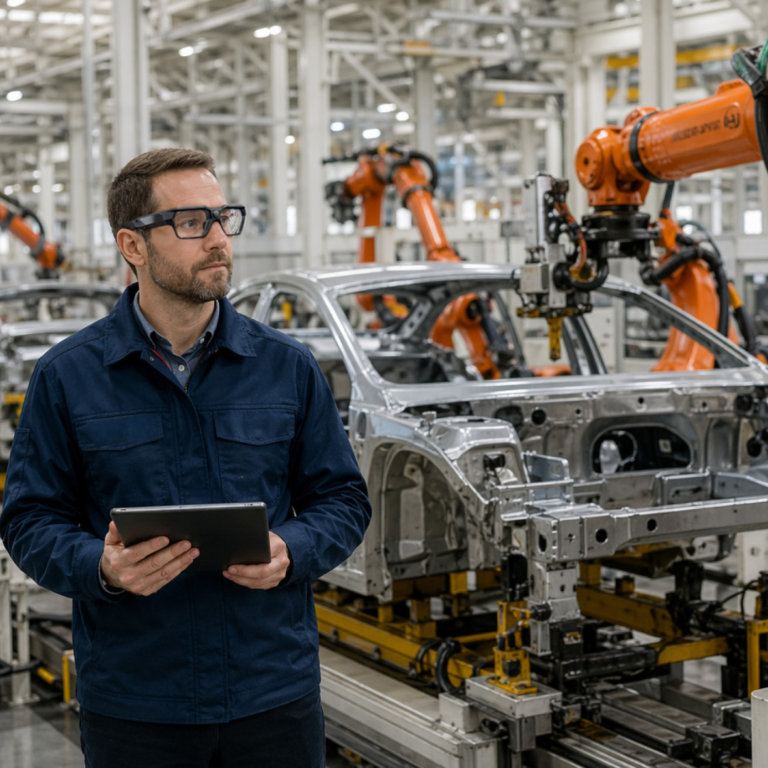
Human Performance Improvement: The Missing Layer in Industrial Analytics
Technicians diagnose problems by noticing subtle deviations. Quality inspectors detect defects that automated systems may not yet recognise. Operators monitor complex environments in which dozens–sometimes hundreds– of signals compete for…
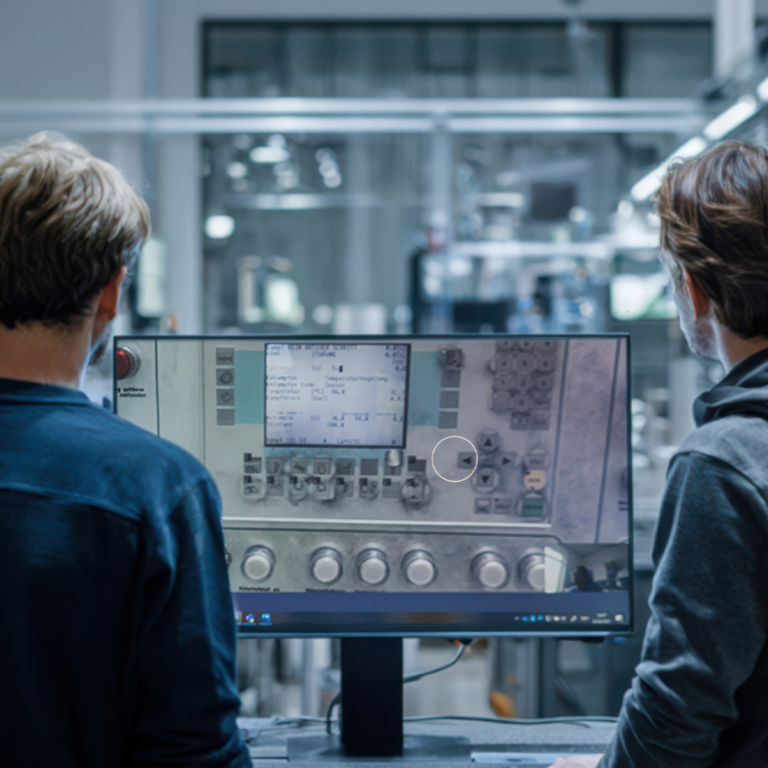
3 Objective Metrics That Prove Training Actually Works
A technician passes the final assessment with 94%. Six weeks later, they make an error during a routine inspection that causes three days of unplanned downtime. No procedure was skipped,…

AR Glasses and Human Experience: Bridging the Gap
Where You Look Is Usually What You’re Thinking About In a recent webinar, “Inside the World of Eye Tracking for Augmented Reality”, in collaboration with The AR Alliance, our Sensors,…
