An auditor pulls the file. On paper, everything checks out: a signed checklist, clean timestamps, and a valid training certificate. Yet the process still gets flagged.
That gap is more common than most quality teams expect. A record shows that something was documented, and that a step was marked complete, by whom, and when. It doesn’t show how the inspection was actually carried out, or whether the inspector looked at what the checklist says they looked at. So what does that mean for audit-ready documentation?
“We Have It on File” Isn’t Proof: Audit Trail vs. Objective Evidence
An audit trail is a chronological log: who did what, and when. It’s the backbone of most document-control and QMS systems: version control, retrievability, and keeping a clear version history, approvals and traceability are things that software already handles well, and reliably so. That log gives you solid traceability evidence: an inspection was logged and closed out on schedule.
Audit evidence, on the other hand, is a different thing. It’s verifiable information that helps show whether the requirements of that inspection were actually met: not just that a box was ticked, but that the right thing was checked. Standards like ISO 9001 ask organisations to demonstrate that requirements were met, not simply that a step was recorded; auditors typically draw a line between an audit trail and audit evidence.
That’s the gap audit-ready documentation has to close and it requires evidence beyond the document record itself. It can tell you an inspection was recorded and when, not whether the inspector actually looked at the required areas.
The Question No Timestamp Can Answer in Visual Inspections
Take a signed inspection checklist. A step is marked complete, timestamped, and signed off, every field filled in correctly. On paper, it’s audit-ready documentation in its cleanest form.
But the checklist can’t answer one of the important questions an auditor actually cares about: did the inspector look at the right spot? A checkmark confirms that a step was closed out. It doesn’t confirm where the inspector’s attention actually went while they were doing it, and whether they scanned the full weld seam or glanced past it, whether they checked the pressure gauge or just walked past it out of habit. The record and the reality can diverge, and the paperwork alone wouldn’t reveal the difference.
This is the blind spot every timestamp shares: while it marks that something happened, it does not mark precisely what happened during it.
Helicopter engine inspection with VPS Next: the gaze overlay shows which areas received visual attention.
What Eye Tracking Adds to Audit-Ready Documentation
This is where a different kind of data enters the picture, which does not act as a replacement for the checklist, but as an added layer of visual evidence sitting alongside it.
Eye-tracking data captures three things a signed form cannot:
Scan Pattern
The sequence of checkpoints the inspector actually looked at, and the order they looked at them in. If a checklist has five inspection points, the scan path can show which checkpoints received visual attention and whether one might have been skipped.
Fixations and dwell time
A fixation is when the eye briefly holds still on a point. On its own, it says little. Only combined with dwell time does it show how much attention an area actually got. On a checklist, a half-second look and a five-second inspection end up as the same tick in the box. In gaze data, they’re clearly different.
Changes in visual attention
Gaze data can also show where an inspection didn’t go as usual: a spot looked at much longer than others, or one the inspector came back to. These moments aren’t a verdict and don’t replace the inspector’s judgment. They simply show where it may be worth taking a closer look.
Gaze data is already used this way in practice. At ÖBB, trainers see in real time where railcar inspectors look during an inspection. This helps them spot blind spots and routines the inspectors aren’t aware of. The same principle applies to quality assurance in manufacturing: unlike conventional video, eye tracking shows exactly which areas of a product or machine the inspector actually examined.
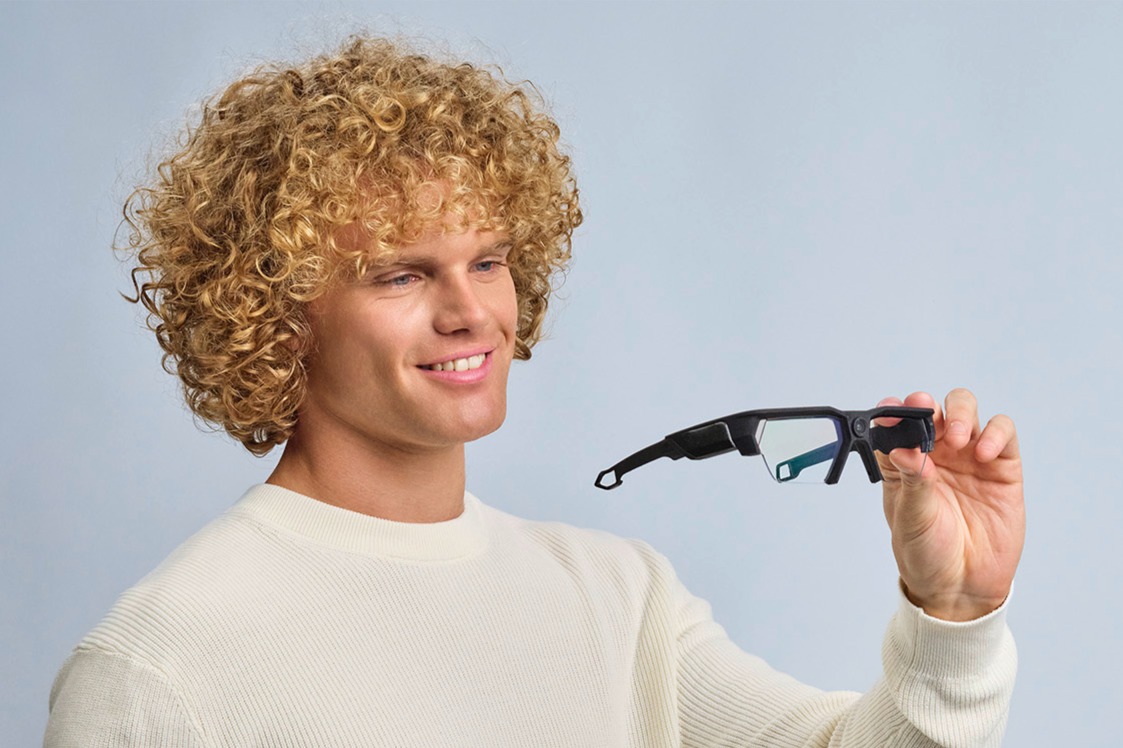
In practice, VPS Next, the Smart Glasses with Eye Tracking from Viewpointsystem, adds a second layer to the checklist. The checklist records that a step was completed. The recording shows how: which areas were examined, in what order and for how long. It doesn’t decide whether an inspection was compliant. That stays with the inspector and the auditor. But it gives quality teams traceable material to review, the kind of documented evidence that quality management systems such as ISO 9001 are built on.
How to Make Inspection Records Audit-Ready: 4 Steps
None of this requires a complete overhaul, it starts with a few honest questions about where the current record actually falls short:
- Identify which processes currently rely on self-reported completion. Anywhere a step is marked “done” purely on the inspector’s own sign-off is a place where the record and the reality could quietly diverge.
- Flag where a signed record could be mistaken for proof. A completed checklist or a valid certificate is worth having, but be clear internally about what it actually confirms, and what it doesn’t.
- Pick one high-risk step to pilot eye tracking alongside the existing paperwork, not in place of it. The goal is to add a layer of evidence to the process that’s already there, not to replace what’s already working.
- Decide the data-handling ground rules before rollout. If gaze recordings or first-person video are going to function as documentation, teams need to settle who can access them, how long they’re retained, and how employee privacy requirements apply, before the pilot starts, not after.
Being audit-ready isn’t about generating more paperwork. It’s about being able to back up what a record says with evidence of what happened during the inspection it describes.