
DIGITAL IRIS.
YOUR GATEWAY TO
INTUITIVE HUMAN–
MACHINE INTERFACES.

DIGITAL IRIS.
YOUR GATEWAY TO INTUITIVE HUMAN–MACHINE INTERFACES.
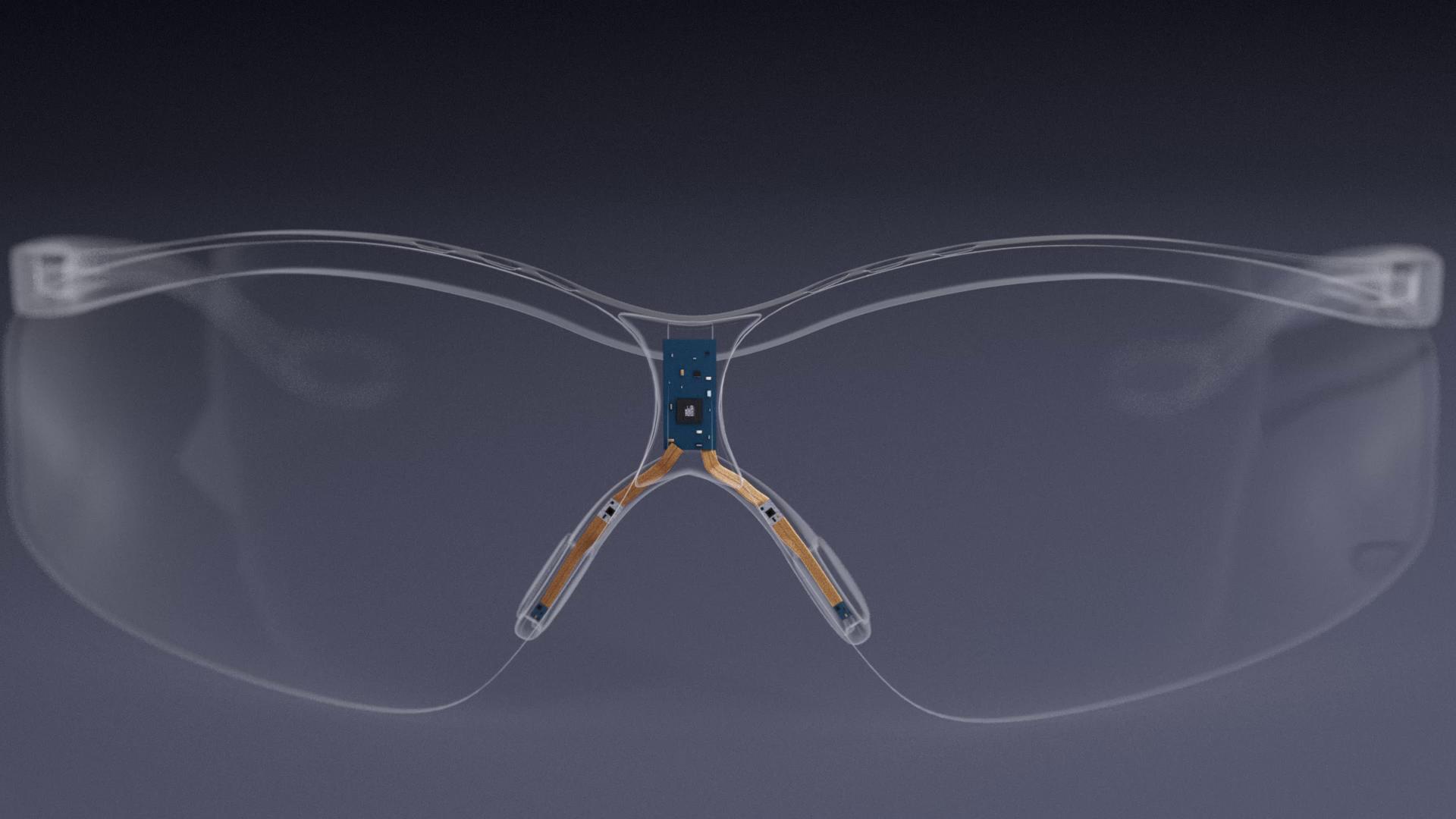
From smart glasses and wearables to chipsets, our advanced eye tracking technology integrates seamlessly into your architecture. Digital Iris, our modular technology stack, is available as an integration-ready module, as a customized solution based on your hardware design, or as a software-driven configuration.
This flexibility enables a system-aligned integration that fits your product roadmap. With Digital Iris, your device gains cutting-edge eye tracking capabilities that enhance interaction and usability.
The most flexible way to integrate eye tracking — built to fit your system.
EXPLORE YOUR OPTIONS
Whether you’re building AI or AR smart glasses, specialized devices, or chipsets, your integration needs are unique – from form factor and power constraints to data requirements and production volumes.
Digital Iris can be configured in multiple ways. Choose the configuration that fits your needs.
Digital Iris Module
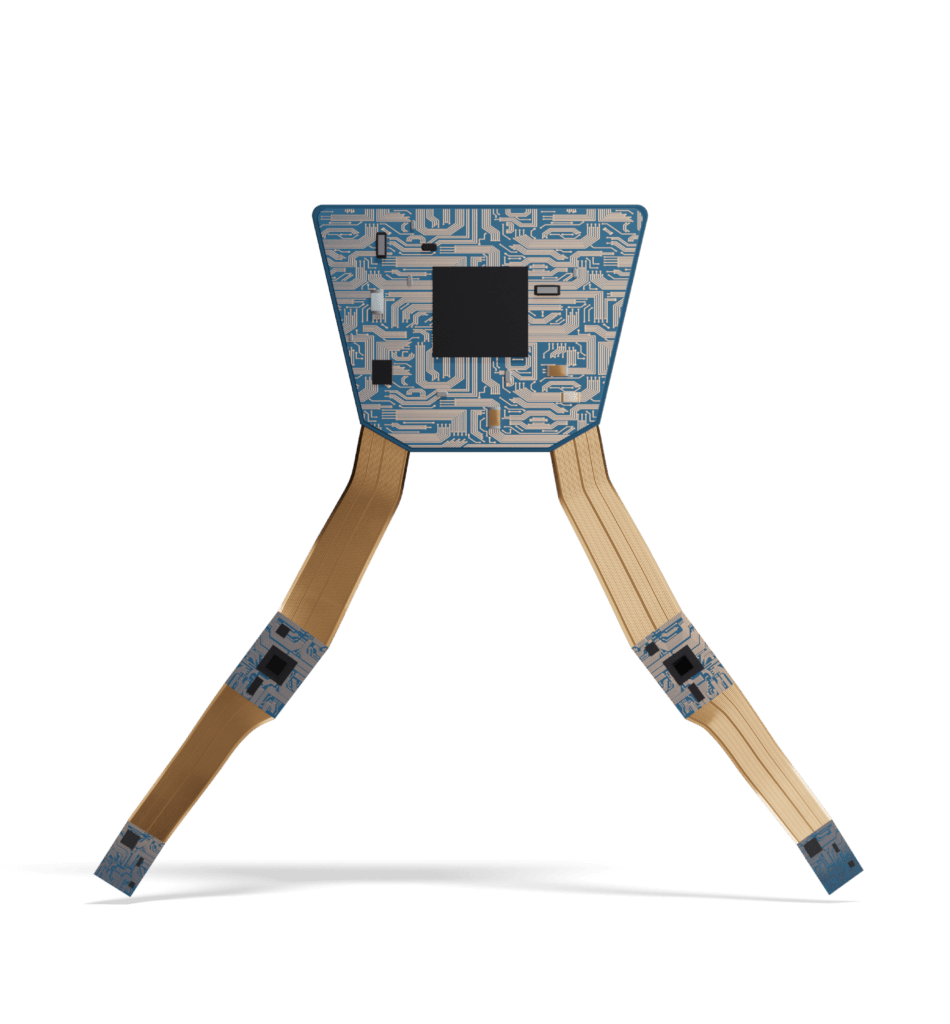

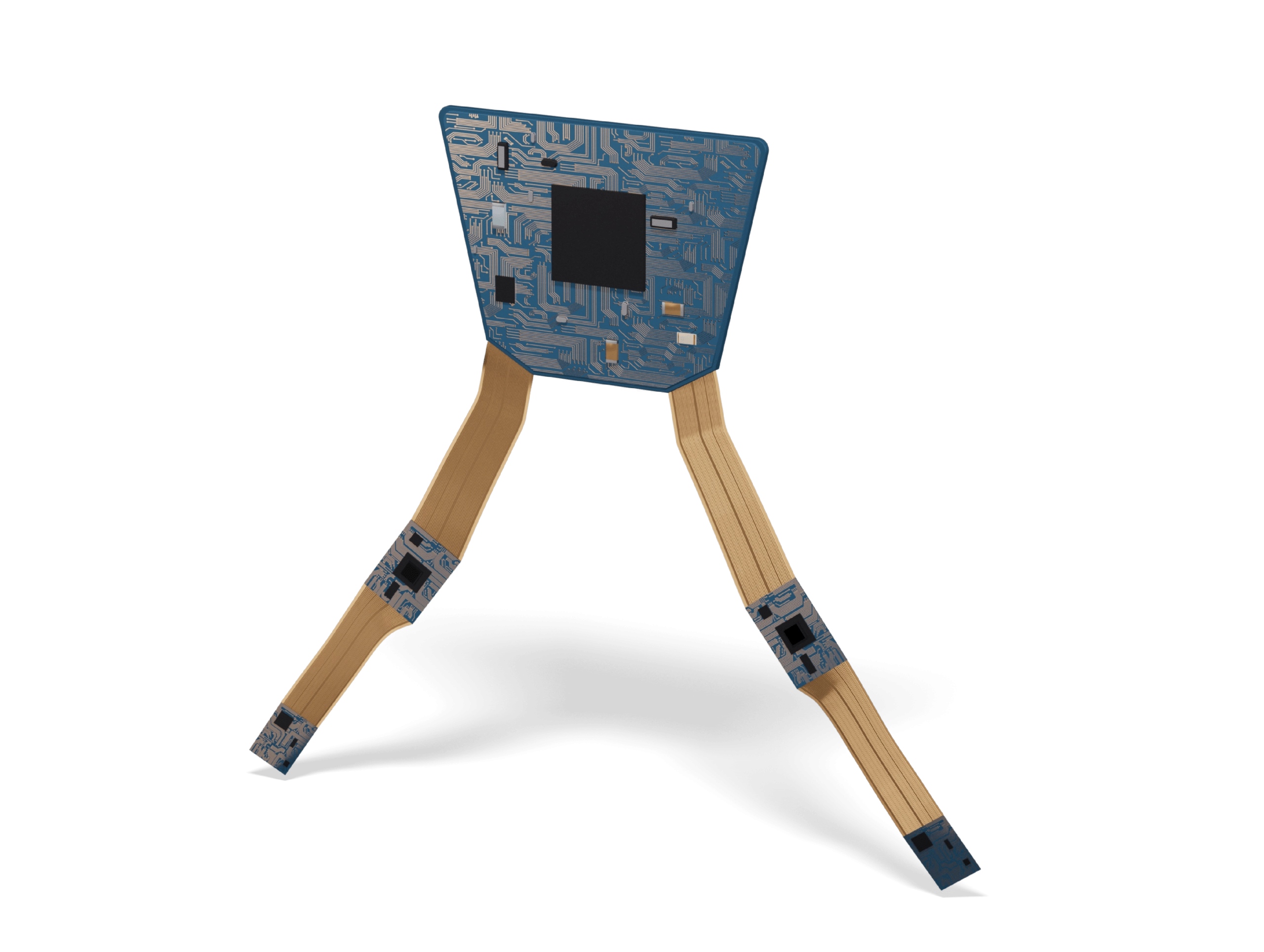
Our ready-to-embed hardware module including the full software stack provides a fast, low-effort way to add advanced eye tracking to your device. Ideal for prototyping, testing, and small production runs.
Typical integration time: ~2 WEEKS
Customized configuration

We provide a fully customized hardware solution based on our reference design, combined with the Digital Iris software stack. This enables deep, seamless integration suited for high production volumes.
Typical integration time: ~ 2 MONTHS
Software only
We adapt the Digital Iris software to your hardware specifications, support your system architecture, and validate system performance. Suitable for chipsets, custom boards, or processing units. Typical integration time: from a few days to several months, depending on your setup
DESIGNED TO ADAPT.
BUILT TO PERFORM.
FLEXIBLE
Our modular design allows easy adaptation to different interfaces and form factors.
SCALABLE
Designed to expand effortlessly from prototypes to large-scale production.
ROBUST
Consistent performance across all lighting conditions – field-proven and reliable.
ENERGY EFFICIENT
Power-efficient operation tailored to your application and system design.
INTEGRATION-READY
Seamless integration into existing architectures and systems.
USE-CASE AGNOSTIC
Adapts to any scenario — static or mobile, heavy-duty or everyday, across diverse users
DISCOVER OUR COMPACT ALL-IN SOLUTION
If you’re looking for a ready-to-embed solution, our compact Digital Iris Module brings everything together in a minimal form factor. It provides excellent accuracy and robustness, proven in real-world use through our own VPS Next eye tracking smart glasses. This solution enables high-performance eye tracking in your device with minimal integration effort.
DIGITAL IRIS MODULE – TECHNICAL SPECIFICATIONS
Size
37.6 mm
46.0 mm
0.6 mm
Sampling rate
Flexible up to 2 × 500 fps,
with 2 × 60 fps as the standard setting
Camera
2-cam architecture
Weight
0.4 g (0.014 oz)
Eye tracking FOV
95° (diagonal)
Power consumption
From tens of milliwatts to about 150 mW, depending on configuration and hardware
THE CORE:
DIGITAL IRIS SOFTWARE
Digital Iris software is the foundation of our advanced eye tracking technology, ensuring reliable data streams and enabling in-depth gaze analysis. Digital Iris software is customizable to specific hardware, from chipsets to external processing units.
DIGITAL IRIS SOFTWARE – SPEZIFIKATIONEN
Eye tracking technology
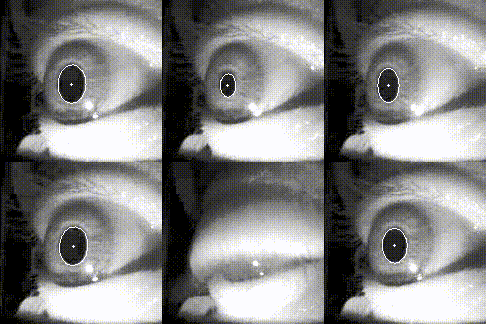
Binocular dark pupil tracking (using neural networks) and eyeball modelling
Calibration
Auto-calibration, one-point calibration, automatic slip compensation
Precision
0.16°
Accuracy
1.8°
1.3°
Real-time data provided via REST API:
3D gaze vectors, distances, velocities
For each eye we provide the gaze direction as a 3D vector, the eyeball and pupil position in 3D, the distance to the point of regard, and the speed of gaze movement.

By measuring the gaze direction of both eyes and the angle between them, we determine the wearer’s visual focus in 3D and real time.
2D gaze point
The projected point of gaze on the front-camera view.
Automatic classification of eye events
Blinking, steady fixation, pursuit of moving objects, and rapid gaze shifts (saccades).
Head pose: orientation, angular velocity, linear acceleration
The head’s position and movement in 3D, represented through rotation speed, acceleration, and absolute orientation (with respect to “north” and “up”)
Vergence angle
The angle between the visual axes of both eyes when focusing on an object, related to viewing distance and accommodation.
Sensors: magnetic flux density, ambient light intensity
Additional sensor inputs, such as magnetic field measurements or ambient light levels, to support the environmental context.
Eye videos
Raw footage of the eyes used for eye tracking computation.
Pupillometry
Measurement of the pupil diameters

WE’D LOVE TO COLLABORATE WITH YOU IF YOU’RE:
Innovating new hardware
product lines
Designing smart wearables
with integrated
sensing capabilities
Seeking to refine or
upgrade your existing
eye-tracking architecture
Developing or supplying
eye-tracking chipsets


YOUR PARTNER FOR ADVANCED EYE TRACKING
Choosing Digital Iris by Viewpointsystem means partnering with a team that combines deep eye tracking expertise with hands-on experience from more than 200 real-world use cases.
With dedicated R&D, in-house hardware and software development, a strong research network, and a solid IP portfolio, we deliver solutions that are technically advanced, reliable, and built for practical use.
